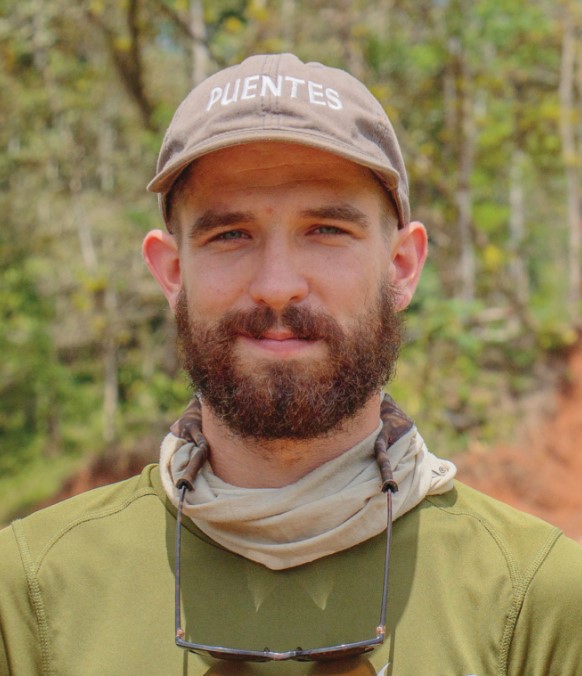
B2P Corporate Programme Director, Devin Connell
B2P had big plans for 2020, particularly in Rwanda (Bd&e issue 97). How has the pandemic affected the ambitious programme to build 355 bridges in five years?
A lot of the organisational decisions made during Covid were designed to ensure that the Rwanda programme could be reinstated without any major effects. We are now getting back to normal but a year ago cuts had to be made. A lot of operations were pared down to ensure that the agreements in Rwanda would not be affected, not only because it’s an exciting project but also because a lot of research is under way that can be used to inform other partners of the benefits made by the Government of Rwanda’s investment. Last year the initial phase of a five-year research study was completed, where 24 communities were studied. The initial findings showed a 25% increase in labour market income following trail bridge construction, which is great news.
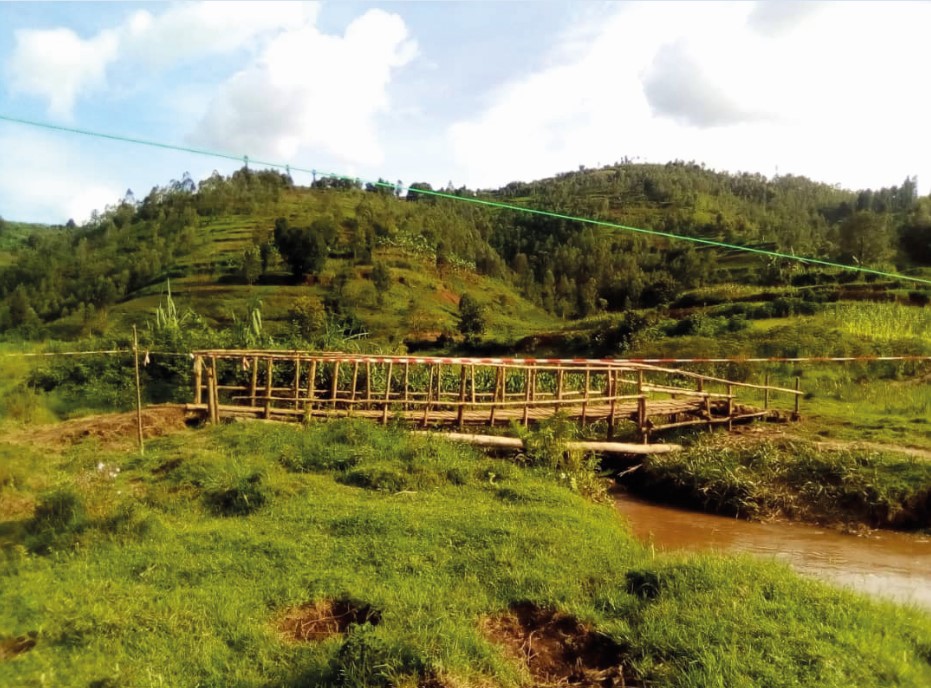 Ramboll is working on new guidelines for design and construction of temporary bridges
Was B2P successful in building bridges in Rwanda in spite of the pandemic?
Yes – we were aiming to build 45 last year but in the end built 28 bridges, and have seven currently under construction. Rwanda’s fiscal year runs from July, and ahead of that we submit the bids of all the projects to individual districts. As well as by foundation and corporate donors, these projects are partially funded by local government, so we need buy-in from them and confirmation of their projects.
This year we submitted 50 to the districts, and we fully expect that to be pared down, as every government has cut its budgets. So we don’t know how that is going to land, the answer could be anywhere between 2 and 50. In total we have built 82 bridges in Rwanda in the past decade.
Last time we spoke you were investigating the use of galvanised steel for decks – did that progress?
Yes, absolutely. With some technical support from the industry, our engineering department came up with a new steel decking design consisting of steel panels staggered across the bridge.
The first shipment went out to Rwanda and all the projects there were built with them last year. It was very exciting! It was always planned that it would be not so much a test run as a first model, to see how it went. Going forward we continue to have the desire to procure locally but as there are no galvanisation plants in Rwanda we are still researching the best options, such as locally manufactured coated steel alternatives. I’d be surprised if this option wasn’t tested out in order to move into local procurement.
Did the pandemic affect the sourcing of materials?
Between last spring and summer some shipments were delayed but we didn’t run into any major materials shortages because we ended up building fewer bridges. If we had moved forward with the same number of projects then we would have run into that. So the number of projects ended up being the limiting factor, not the materials.
How did travel restrictions affect the funding and the skills needed to build the bridges, as per the corporate programme?
We were absolutely affected, as were many of our partners, many of whom had their discretionary funding frozen or restricted. However, we were very lucky that around a third of our partners said they would continue supporting us. Otherwise we wouldn’t be here this year.
A silver lining was that we were able to concentrate on engaging with the corporate programme remotely, which is something that we had been talking about for some time.
Under the corporate programme a number of employees are invited to travel and build the bridge, but in reality that is only practical for a small number who can actually travel – not everyone can hop on a plane and be away for two weeks. So how could we engage employees in a different way? Previously we hadn’t had the time and resources to think about this, because normally we would be so involved in the travel programme and bridge construction.
What does the remote engagement entail?
In basic terms we present our partners with some of the big problems that we face as an organisation – and which are within our partners’ typical scope of work and expertise – and they help us solve a particular problem.
A great example of this is Fhecor. They were going to travel to Bolivia last spring and then weren’t able to do so. They were gracious enough to want to continue supporting us, so we put in an offer for interested parties in the company to raise their hands to work with some of our technical staff. For five months they worked together to develop alternative designs for short-span bridges that we could consider for use in our projects.
They came up with three, using materials and bridge forms that are different to those in our standard bridge manual. And in turn Fhecor could provide its engineers with the opportunity to get involved with a non-profit and get that experience.
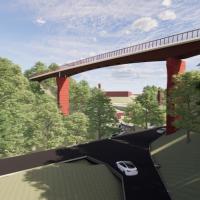
We are now working with Arup on a bridge construction visualisation project. They are modelling projects in a program that allows anyone to more easily visualise how bridges get built. This is really useful and details how elements like anchors are installed and cables are attached. We want to develop it and get it to point where the model is offline, so someone with a tablet can take it to the community and show them the towers, the cables, where to dig the anchor block. If you’ve not seen a bridge built before it doesn’t make a lot of sense. This capability would be enormously helpful from working with government partners right down to hiring a project foreman.
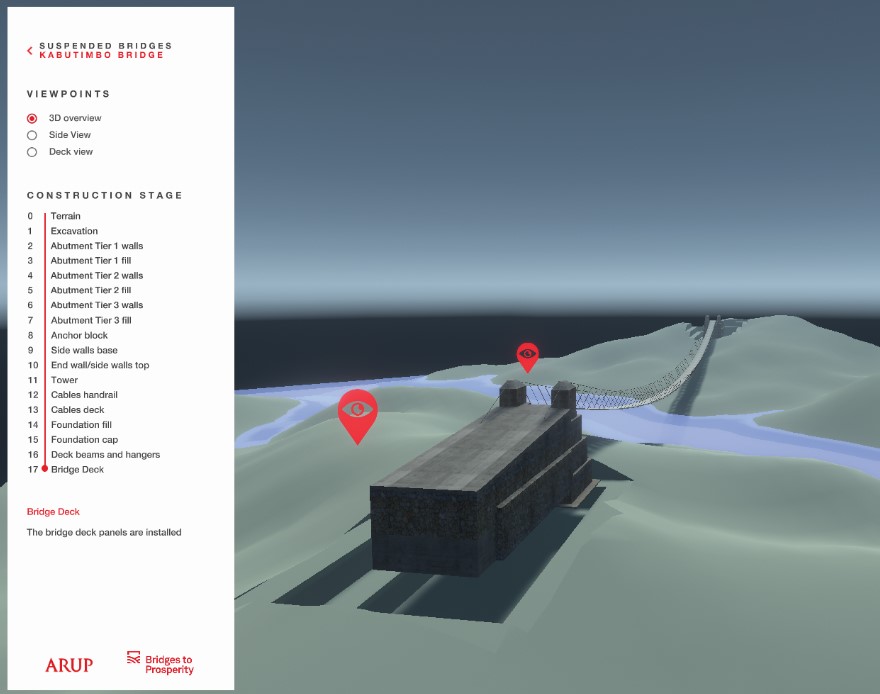 Arup is providing a visualisation tool for B2P
Ramboll is another partner, and their project is about to kick off. The team from Ramboll will be working on a specific scope of work that will entail creating guidelines for temporary bridge design and construction. The majority of our bridge projects require an initial temporary timber bridge structure to be built in order to allow for safe passage of personnel and materials during construction. While our operations team is very skilled at building custom temporary structures for each project, we will greatly benefit from having a set of potential designs that can guide our team in the field moving forward.
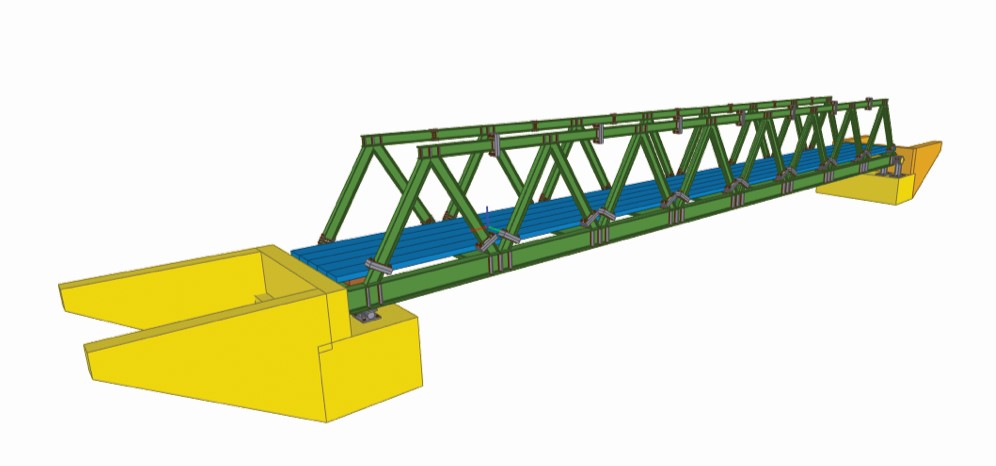
Fhecor is developing alternative designs for short-span bridging
Will this remote stream be maintained once the crisis is over, or will you revert to the previous programme?
We are hoping to have a balance of both. We know some partners will want to travel and we can understand that. We fully expect, optimistically by end of this year, for teams to start travelling again to Rwanda. But we are also hoping to fully keep the remote aspect in the programme too. Every year we encounter the situation that some partners are unable to travel – or may never be able to – for some reason, so now we want to be able to provide another alternative n
Devin Connell is corporate programme director, Bridges to Prosperity
More information about Bridges to Prosperity’s corporate programme can be found at: www.bridgestoprosperity.org/corporate/