The PA Turnpike Commission and New Jersey Turnpike Authority’s preliminary evaluation of the fracture on the bridge that carries Interstate 276 over the Delaware River determined the need for a continued closure. Construction work is under way to stabilise the bridge while engineers carry out a more comprehensive assessment and structural analysis necessary in order to develop a permanent repair plan.
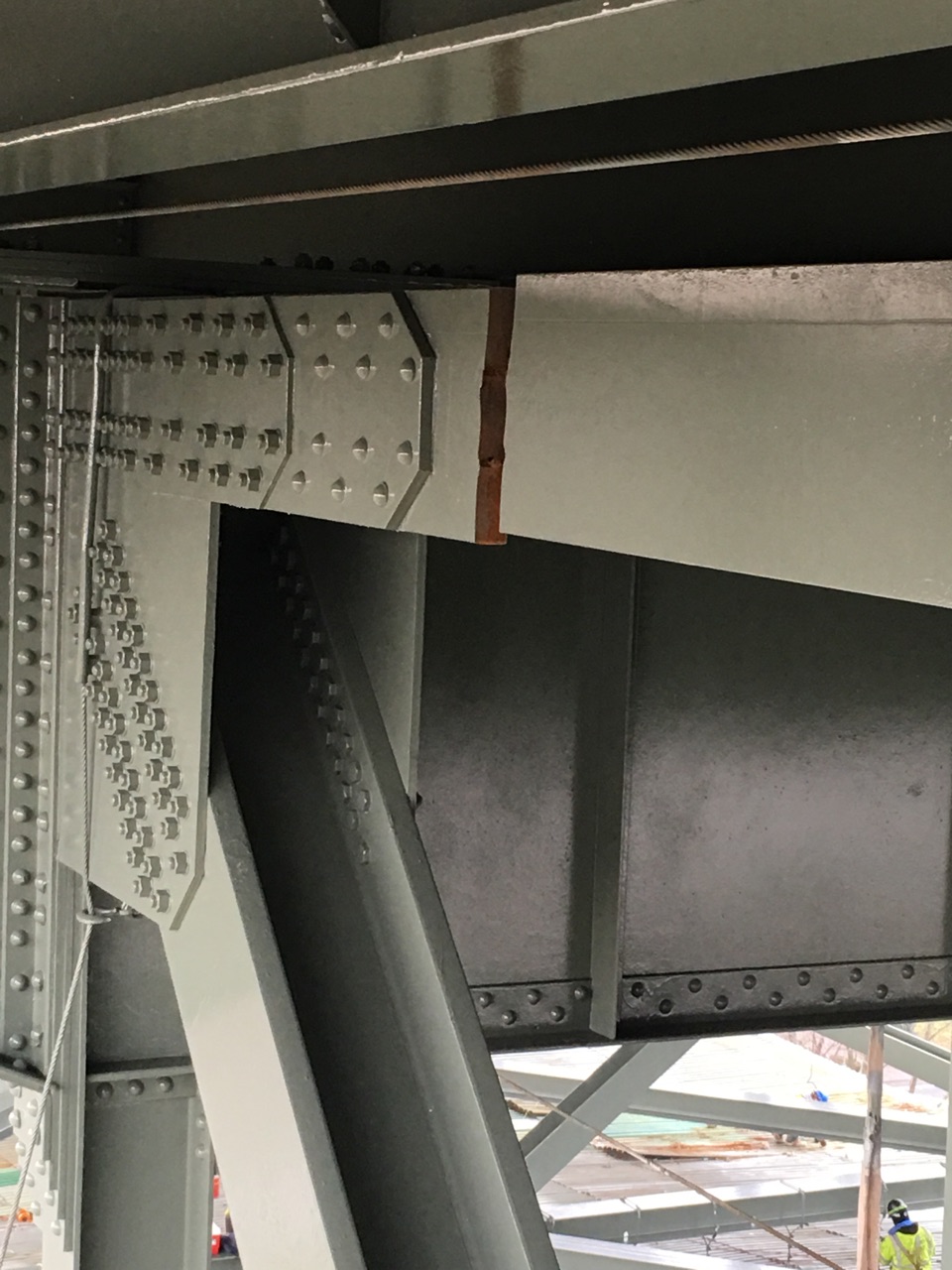
Initial stabilisation work that was completed 22 Jan involved adding new plates to reconnect the fractured truss pieces in an attempt to prevent further movement. A sample of the fractured truss was taken to a lab at Lehigh University for forensic analysis to help determine the cause of the fracture. The next step involves the construction of eight towers on the ground beneath the bridge, which will be used as temporary support for the weight of the structure. Jacks will be used to lift the structure back into its original position.
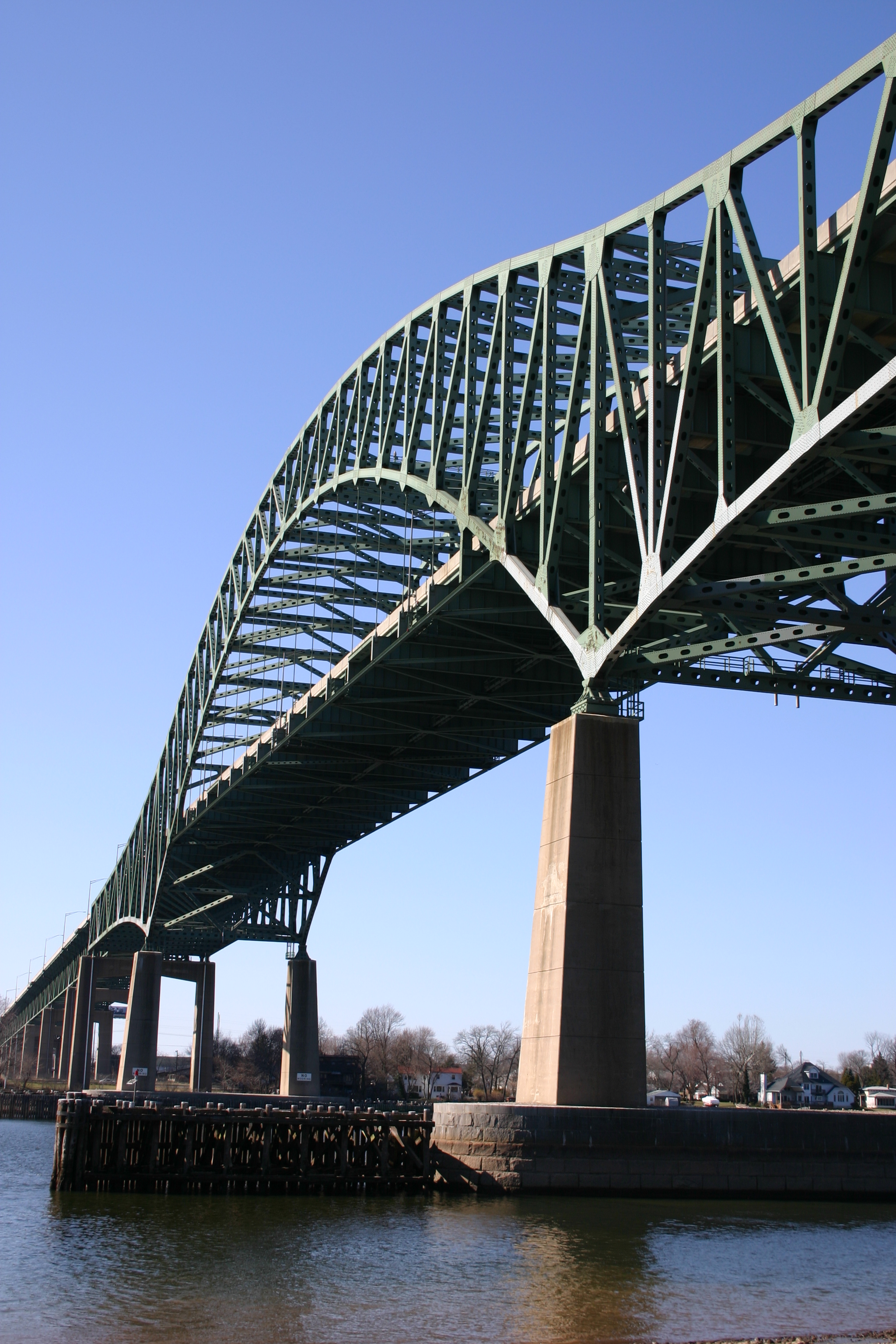
The four-lane Delaware River Bridge is jointly owned by the PA Turnpike Commission and New Jersey Turnpike Authority; it carries Interstate 276 over the Delaware River. The 2km-long bridge opened to traffic in 1956 and it carries more than 42,000 vehicles per day. The structure is a combination of girder-floorbeam spans, continuous deck truss spans and through-arch truss spans. In addition to spanning the main channel of the Delaware River, the bridge also crosses several other roads and railways.
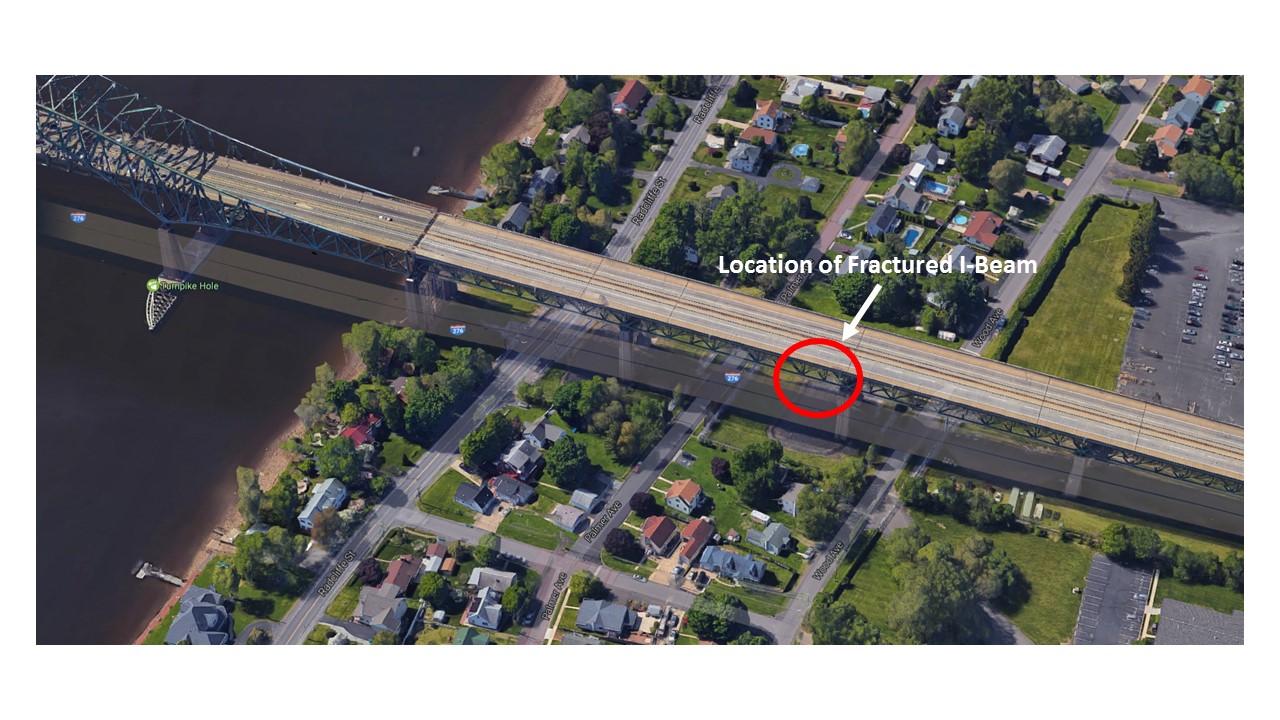
A comprehensive bridge analysis will be performed to better understand the global impact the fracture has had on the entire bridge; information gathered is critical to determine the scope of and strategy for a permanent repair and reopening the bridge to traffic. Sensors will be installed to enable engineers to monitor the load at key points on the structure and high-definition TV cameras will be used to monitor the structure for any movement.
“This was a unique and complete fracture which may have happened quickly due to changing weather conditions,” explained PA Turnpike chairman Sean Logan. “We are stabilising the bridge now to prevent further movement. However, out of an abundance of caution and to protect traveller safety, the bridge must remain closed until a full-scale analysis and repair plan have been completed.”
The bridge will remain closed while the assessment continues. This assessment will take about two weeks before timeline for the permanent repair can be determined. Until more is understood about the damage, it is not possible to estimate how many days or weeks the bridge will need to be closed while the permanent fix is made.
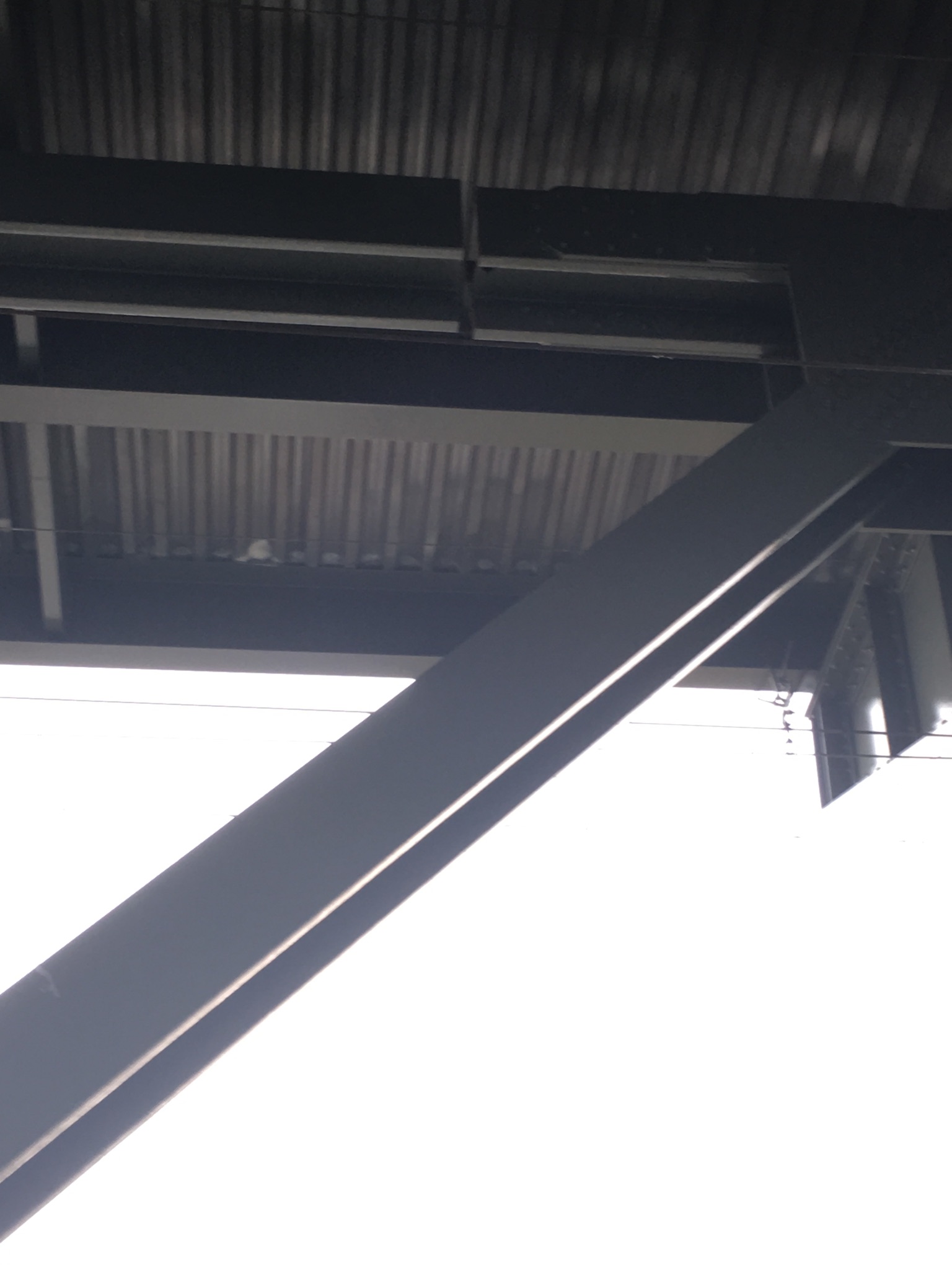
“Due to the significant fracture, stresses have been redistributed to other parts of the bridge,” said PA Turnpike chief engineer Brad Heigel. “We regret the inconvenience of closing the bridge, however, it is necessary to properly evaluate the bridge’s current condition and determine next steps to ensure the safety to our customers.”
The fracture was noticed during a routine check of a bridge-painting project by NJTA resident engineer examining the work on the bridge, the ownership of which is divided between the two toll agencies. The painting contractor was hired by the New Jersey Turnpike Authority to repaint the entire bridge.