The FHWA was asked to approve two aspects of work on the bridge, including installation of bearing shims as a temporary measure to provide additional load capacity while the shear key retrofit progresses.
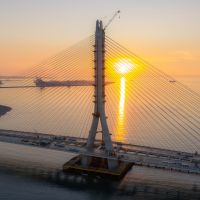
The problems centre on broken anchor rods on the self-anchored suspension span (SAS) bridge, which is being built as part of the new East Span of the San Francisco-Oakland Bay Bridge.
Hydrogen embrittlement caused widespread failures in a batch of 96 high-strength steel rods anchoring two shear keys directly over the support columns at the east pier. The rods were embedded in concrete, which precluded straightforward replacement and so a steel saddle system has been devised to replace the lost clamping force.
The bridge was originally scheduled to open in September but the retrofit is expected to take until December to complete.
The FHWA letter was sent on 9 August to Steve Heminger, chair of the toll bridge programme's oversight committee. It says that the FHWA review team was impressed with the level of expertise used to fashion this interim means of limiting the movement of the bearings so they engage and safely transfer seismic forces while the installation of the retrofit continues. The interim solution would provide a comparable level of seismic performance to that lost prior to and during the retrofit, FHWA said in its letter signed by FHWA California division administrator Vincent Mammano. "As such we see no reason to delay opening the bridge to traffic prior to the shear key retrofit being completed."